How Film Can Amplify ClimateDriven Migration Stories
The Unique Power of Documentary Cinema
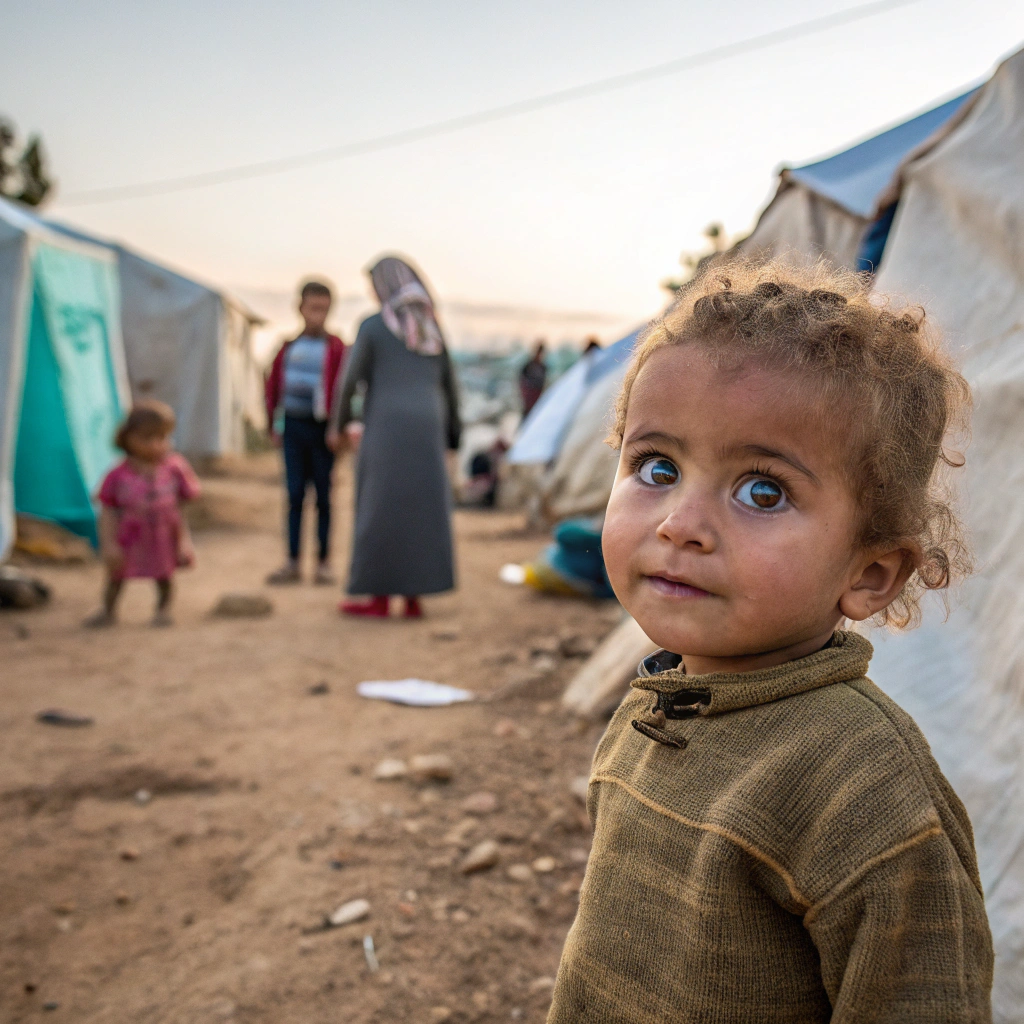
Documentary film offers a direct line to lived experience, allowing audiences to witness the human side of climate‑driven migration. Unlike statistics, moving images capture the sounds, faces, and daily rituals of communities forced to relocate, creating empathy that can inspire policy change and public support.
Why Stories Matter in Climate Migration
- Humanize abstract data – Numbers about displaced persons become relatable when viewers see a farmer planting a new garden in a host country.
- Show resilience and agency – Films highlight how migrants adapt, preserve culture, and contribute to new societies.
- Bridge cultural gaps – Visual storytelling transcends language barriers, reaching global audiences through subtitles and visual cues.
Lessons from IMEFF Selections
IMEFF’s past programs illustrate how film can amplify these narratives:
- “Rising Tides, Falling Homes” (2023) follows a coastal village in Bangladesh as rising sea levels force families to move inland, blending personal interviews with satellite imagery.
- “Desert Exodus” (2024) documents Saharan nomads navigating new borders after prolonged drought, emphasizing the loss of traditional routes and the emergence of new community networks.
- “Urban Refuge” (2025) captures the experience of climate migrants settling in European cities, showcasing both challenges and contributions to local economies.
Strategies for Filmmakers
- Collaborate with affected communities – Co‑creation ensures authenticity and respects local knowledge.
- Integrate scientific context – Pair personal stories with climate data to reinforce credibility.
- Leverage multi‑platform distribution – Virtual festivals, streaming services, and social media expand reach beyond traditional cinema halls.
The Ripple Effect
When documentaries are screened at festivals like IMEFF, they spark conversations among policymakers, NGOs, and the public. This cascading awareness can lead to funding for adaptation projects, legal protections for migrants, and a broader cultural shift toward climate justice. By amplifying these stories, film becomes not just an art form, but a catalyst for tangible change.